Executive Summary: What are the Health Benefits of Microgreens? Microgreens are young vegetable greens harvested just after the first true leaves appear. They contain up to 40 times higher concentrations of vital nutrients—such as Vitamin C, E, and K—compared to their mature counterparts. These potent plants support heart health, reduce chronic disease risk, and provide concentrated nutrition essential for a healthy lifestyle in the Bay Area.
Microgreens are much more than just a garnish; they are nutritional powerhouses. Harvested just 7-21 days after germination, these young seedlings contain up to 40 times the nutrient density of their mature counterparts. Understanding the health benefits of microgreens is key to optimizing your daily diet.
40×
Higher Vitamin Concentration
High
Antioxidant Levels
The Nutritional Powerhouse: Why Microgreens Matter
Microgreens are not just garnishes; they are functional superfoods. Scientists at major agricultural research centers have found that these “miniature” plants pack a significant nutritional punch.
Concentrated Nutrient Density
Based on recent data from the USDA, microgreens consistently outperform mature vegetables in vitamin and antioxidant concentrations. While a mature head of broccoli is healthy, a handful of broccoli microgreens provides a more concentrated dose of sulforaphane. This compound is widely studied for its potential anti-cancer properties.
Rich in Polyphenols
Polyphenols are a class of antioxidants linked to a lower risk of heart disease and Alzheimer’s. Research published in the Journal of Agricultural and Food Chemistry suggests that microgreens contain a wider variety of polyphenols than their fully grown versions. For health-conscious residents in the Bay Area, incorporating these into a daily diet is an efficient way to boost cellular protection.
Key Health Benefits of Microgreens
1. Potent Cancer-Fighting Compounds
Among all varieties, broccoli microgreens are perhaps the most studied for their medicinal properties. They are exceptionally high in glucoraphanin, which converts into sulforaphane. This compound has been shown in clinical studies to inhibit cancer cell growth and support detoxification pathways.
2. Anti-Inflammatory and Heart Health
The health benefits of microgreens extend to cardiovascular support. Rich in polyphenols—a class of antioxidants linked to reduced heart disease risk—microgreens can help lower LDL cholesterol and reduce systemic inflammation. Microgreens are rich in fiber and vitamin K, which help maintain healthy blood pressure. Red cabbage microgreens, specifically, have been shown in clinical studies to lower “bad” LDL cholesterol levels. Reducing these markers significantly lowers the risk of cardiovascular events.
🛡️ Nutritional Breakdown per Variety
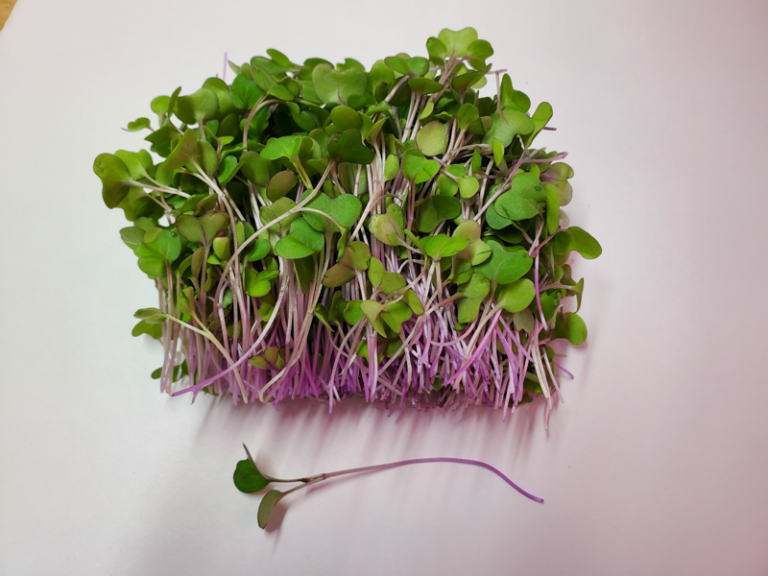
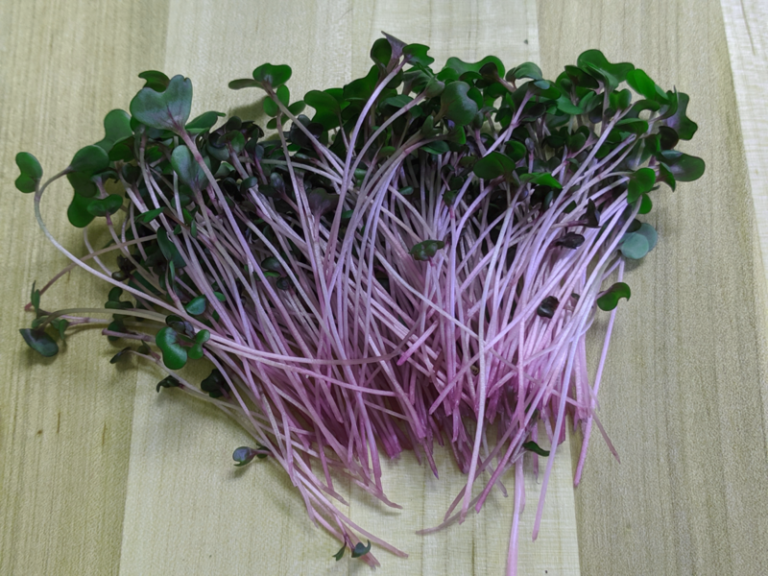
Red Cabbage: Packed with Vitamin C and U.
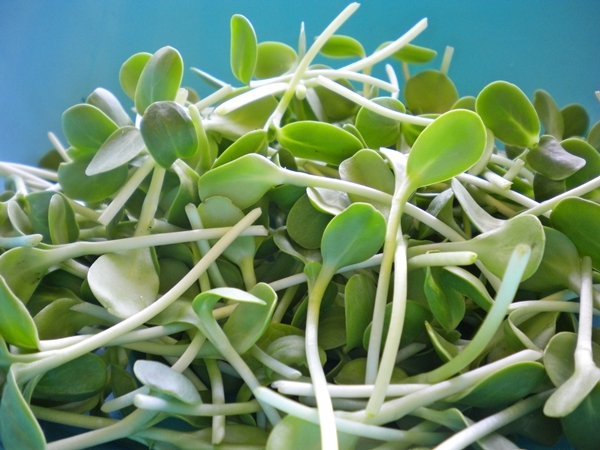
Sunflower: Contains all essential amino acids.
Cilantro: High in Lutein for eye health.
3. Improved Digestion and Immunity
Because they are harvested so early, microgreens are rich in active enzymes that aid digestion. Additionally, their high concentration of Vitamin A and C supports a robust immune response, helping your body fight off seasonal illnesses. Reducing these markers significantly lowers the risk of cardiovascular events.
4. Support for Diabetes Management
Certain varieties, such as fenugreek or kale microgreens, may help regulate blood sugar levels. Studies suggest that the high antioxidant content helps improve insulin sensitivity, making them a smart addition to a nutrition plan focused on metabolic health.
Comparison: Microgreens vs. Mature Vegetables
Per gram of fresh weight, microgreens consistently outperform their fully grown counterparts across every major nutrient category.
| Nutrient | 🌱 Microgreens | 🥦 Mature Vegetables | Health Impact |
|---|---|---|---|
| Vitamin C | Very High · ~20mg | Moderate · ~3mg | 🛡️ Immune Support |
| Beta-Carotene | Extremely High | Moderate | 👁️ Vision & Skin |
| Vitamin E | High | Low | ✨ Anti-Aging |
| Vitamin K | Very High | Moderate | ❤️ Heart & Bone Health |
| Phytochemicals | 4× – 40× Higher | Standard | 🧬 Disease Prevention |
| Sulforaphane | Exceptionally High | Low | 🛡️ Anti-Cancer |
| Antioxidants | Up to 40× More | Standard | ⚡ Cellular Protection |
Why Local Sourcing in the Bay Area Matters
- Nutrient Retention: Vitamins degrade quickly after harvest. Local Bay Area greens reach your plate within 24 hours for peak potency.
- Reduced Carbon Footprint: Supporting local growers reduces the environmental impact of long-distance shipping.
- Bioavailability: Freshly harvested greens maintain intact enzymes, which aids in nutrient absorption.
Frequently Asked Questions
Are microgreens better for you than regular vegetables?
Yes, in terms of nutrient density. While mature vegetables provide bulk and fiber, microgreens offer a much higher concentration of vitamins and antioxidants per gram.
Can you eat microgreens every day?
Absolutely. Most nutritionists recommend daily consumption to maintain high antioxidant levels. A small 1-2 ounce serving per day is sufficient.
Do microgreens lose nutrients when cooked?
Microgreens are best eaten raw. Heat can destroy sensitive enzymes and water-soluble vitamins like Vitamin C. Add them to dishes after cooking is complete.
Medical Disclaimer: This content is for informational purposes only and does not constitute professional medical advice, diagnosis, or treatment. Always seek the advice of your physician regarding medical conditions.