Saratoga Microgreens: 3 Heart‑Healthy Salad Recipes
Saratoga microgreens delivered the Same Day give you a clear, measurable edge for Heart health: ultra‑Fresh phytonutrients, brighter flavor, and more usable vitamins than greens that sat on a supermarket shelf. Below we show three quick, Heart‑friendly Microgreen Salads you can make in under 10 minutes using BayArea Micro’s Same‑Day Delivery to Saratoga. Order Same‑Day and you’ll actually taste the difference in both flavor and nutrient bang per bite.
Quick answer (50–60 words)
Saratoga microgreens delivered within hours keep nitrates, vitamin C, and antioxidants at peak levels, which supports Healthy blood vessels and circulation when paired with sensible fats and low sodium dressings. The Recipes below use arugula, radish sprouts, and broccoli microgreens for specific cardiovascular benefits and include exact steps, portion sizes, and timing to preserve nutrients. Eat them within hours of harvest for the biggest nutrient payoff.
How do Same‑Day Saratoga microgreens improve cardiovascular health?
Freshness matters. Microgreens harvested and delivered the Same Day retain more heat‑sensitive nutrients than grocery‑store greens that sat for days. The American Heart Association highlights vegetables as a foundation for Heart health, and microgreens pack concentrated vegetable nutrition into every forkful. Fresh, Same‑Day microgreens increase the odds you’ll absorb the protective plant compounds that support Healthy arteries.
We source microgreens in the Bay Area and deliver to Saratoga within hours of harvest, so the nutrient advantage is real and repeatable.
See general guidance on vegetables and Heart health from the American Heart Association – Vegetables and Heart Health.
Saratoga microgreens: 3 Heart‑Healthy salad Recipes
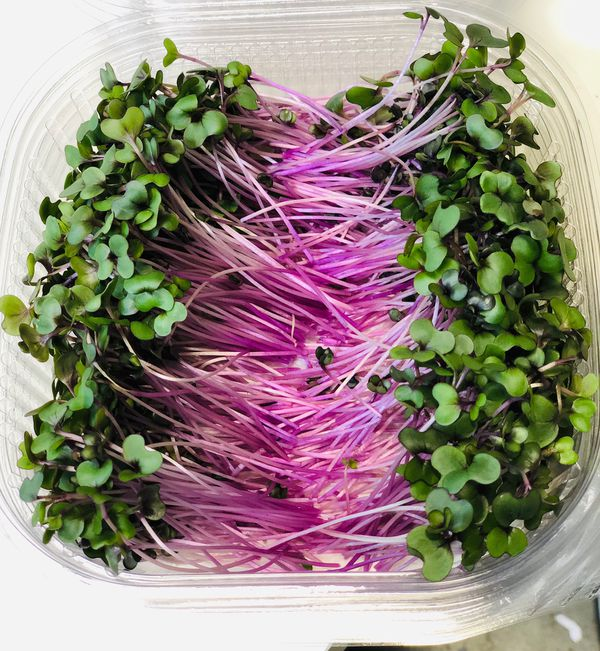
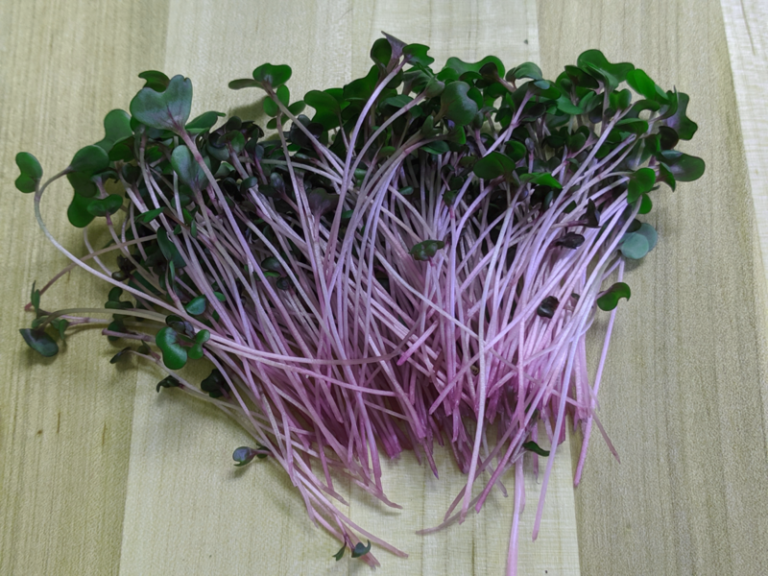
We recommend focusing on three microgreens that deliver distinct cardiovascular perks: arugula (vasodilating nitrates and vitamin K), radish sprouts (polyphenols and a peppery bite that reduces need for salt), and broccoli microgreens (sulforaphane precursors linked to cellular protection). Below each recipe you’ll find exact measurements, stepwise prep, and a short note on how it supports Heart health. Rotate these three to cover a wider range of Heart‑protective compounds without adding complexity.
1) Arugula Citrus Salad — bright, nitrate‑rich
- Serves: 2
- Prep time: 6 minutes
Ingredients
- 60 g arugula microgreens (about 2 packed cups)
- 1 medium blood orange, segmented (or 1 navel orange)
- 20 g avocado (about 1/6 medium avocado), diced
- 1 tablespoon extra virgin olive oil
- 1 teaspoon white balsamic vinegar
- Pinch freshly ground black pepper
- Optional: 10 g toasted walnuts, chopped
Instructions (exact steps)
- Place microgreens in a large bowl and hold aside.
- Segment the orange over the bowl to catch juices; reserve any runoff for dressing.
- Whisk 1 tbsp olive oil with 1 tsp white balsamic and 1/2 tsp orange juice (from segmentation) for 8–10 seconds until emulsified.
- Gently toss dressing with microgreens and fruit for 6–8 seconds—over‑tossing bruises leaves and reduces vitamin C.
- Top with avocado and walnuts. Serve immediately.
Nutrition highlight: The EVOO supplies monounsaturated fat that helps absorb fat‑soluble antioxidants in microgreens. Keep salt out; citrus plus pepper delivers flavor without added sodium.
2) Radish Sprout & Beet Salad — low‑sodium, high‑flavor
- Serves: 2
- Prep time: 8 minutes
Ingredients
- 50 g radish microgreens (1.5 cups)
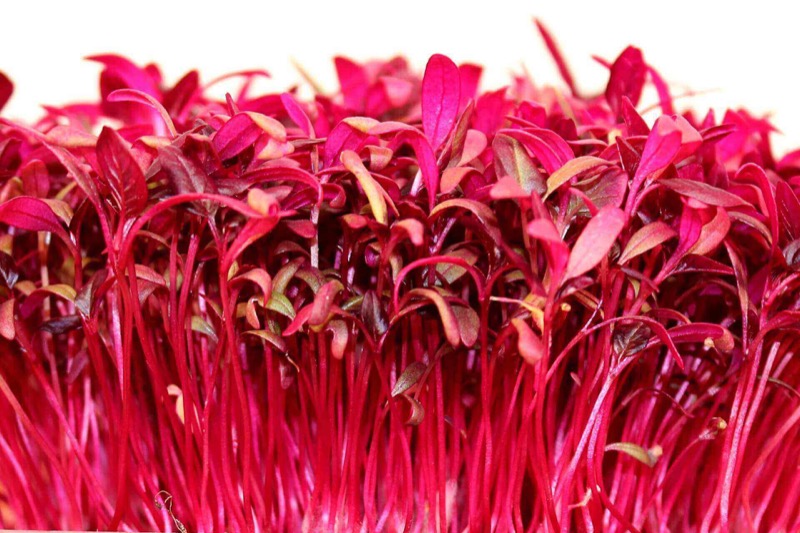
- 60 g cooked baby beets, cubed
- 30 g crumbled feta (optional — use low‑fat to control saturated fat)
- 1 tablespoon apple cider vinegar
- 1 teaspoon extra virgin olive oil
- Fresh dill, 1 teaspoon chopped
Instructions
- Combine radish microgreens and beet cubes in a bowl.
- Stir vinegar and olive oil for 6 seconds; drizzle evenly.
- Add dill and toss once. Sprinkle feta last if using.
- Serve within 10 minutes of dressing to preserve texture.
Nutrition highlight: Radish sprouts add pepper without salt, reducing sodium reliance while providing polyphenols that complement a Heart‑Healthy plate.
3) Broccoli Microgreens & Quinoa Bowl — sulfur compounds and fiber
- Serves: 2
- Prep time: 10 minutes (quinoa can be prepped in advance)
Ingredients
- 60 g broccoli microgreens (2 cups)
- 120 g cooked quinoa (about 2/3 cup cooked per serving)
- 1 small cucumber, diced
- 1 tablespoon lemon juice
- 1 teaspoon extra virgin olive oil
- 1 tablespoon pumpkin seeds, toasted
Instructions
- Put warm (not hot) quinoa in a bowl and fold in cucumber and broccoli microgreens.
- Mix lemon juice and olive oil for 6 seconds and toss with the bowl contents once.
- Sprinkle pumpkin seeds on top and serve immediately.
Nutrition highlight: Broccoli microgreens supply concentrated sulforaphane precursors alongside the quinoa’s fiber; the combination supports Healthy metabolic function and helps control post‑meal glucose spikes.
Which Microgreen is best for Heart health?
Short answer: there isn’t a single winner, each brings a different protective compound. Arugula boosts dietary nitrates, broccoli microgreens concentrate sulfur compounds, and radish sprouts provide polyphenolic flavor that reduces salt need. Choose based on flavor preference and rotate weekly to broaden nutrient intake.
Practical prep process: preserve nutrients in five exact steps
We recommend a quick, repeatable routine for home cooks receiving Same‑Day Saratoga microgreens. Follow these exact steps to retain the most nutrients.
- Unpack and inspect immediately on Delivery; use within 24–48 hours for peak benefit.
- If washing, hold under cold running water for 5–8 seconds. Avoid soaking longer than 30 seconds.
- Spin or pat dry: spin for 8–10 seconds at medium speed, or pat with towels twice; excess water dilutes dressings and speeds wilt.
- Dress at the last moment: add oil/vinegar to salad and toss for 6–8 seconds, then plate, since dressing breaks down leaves over time.
- Store leftovers in a breathable container with a dry paper towel to absorb moisture and refrigerate immediately.
Trade‑offs to accept: washing reduces soil clumps but shortens shelf life slightly; unwashed microgreens last longer but need rinsing before eating. We recommend washing only if you’ll eat within the hour.
Comparison: arugula vs radish vs broccoli microgreens
| Microgreen | Flavor Profile | Notable nutrients | Heart benefit |
|---|---|---|---|
| Arugula | Peppery, bright | Nitrates, vitamin K | Supports circulation and vascular tone |
| Radish sprouts | Sharp, peppered | Polyphenols, vitamin C | Adds flavor so you use less salt |
| Broccoli microgreens | Earthy, mild | Sulforaphane precursors | Cellular protection that complements Heart health |
Common mistakes home cooks make with microgreens
We’ve seen three recurring errors in Saratoga kitchens and how to fix them.
- Over‑dressing: heavy dressings mask flavor and add excess calories. Solution: use 1 tablespoon oil per two servings and let citrus do the rest.
- Storing wet: moist containers speed spoilage. Solution: dry quickly and use breathable storage with a paper towel.
- Buying old greens: supermarket microgreens often sat for days. Solution: order Same‑Day Delivery from BayArea Microgreens for guaranteed freshness.
How soon should you eat delivered microgreens?
Answer: eat within 24–48 hours for the peak nutrient window, and within hours when possible if the microgreens were harvested the Same Day. Same‑Day Saratoga microgreens give you the maximum nutrient and flavor advantage, so prioritize immediate use.
Order and Delivery — simple options
BayArea Microgreens offers single orders and subscription Freshness Plans for regular Same‑Day Delivery to Saratoga. Browse our Microgreens Menu to pick varieties, or review recurring options on our Freshness Plans to lock in weekly deliveries.
Frequently Asked Questions
Are microgreens better than mature vegetables for Heart health?
Microgreens often concentrate certain nutrients at higher levels per gram than mature vegetables, so they can be a potent addition to a vegetable‑forward diet that the American Heart Association recommends for Heart health.
How much should I eat each Day?
A practical target is a small handful (30–60 g) of microgreens per meal as a complement to other vegetables and whole foods; use rotating varieties to widen nutrient exposure.
Can I use these Salads if I have high blood pressure?
Yes—these Recipes emphasize low added sodium and use flavoring techniques that reduce the need for salt. Consult your clinician for personal dietary limits.
How do I keep microgreens Fresh after Delivery?
Dry them quickly if washed, store in a breathable container with a dry paper towel, and refrigerate immediately. Use within 24–48 hours for best results.
We build these Recipes around BayArea Microgreens’ Same‑Day harvest and Delivery to Saratoga so you taste and feel the difference immediately. Try one tonight: choose a mix on our Microgreens Menu or set up recurring deliveries through our Freshness Plans.