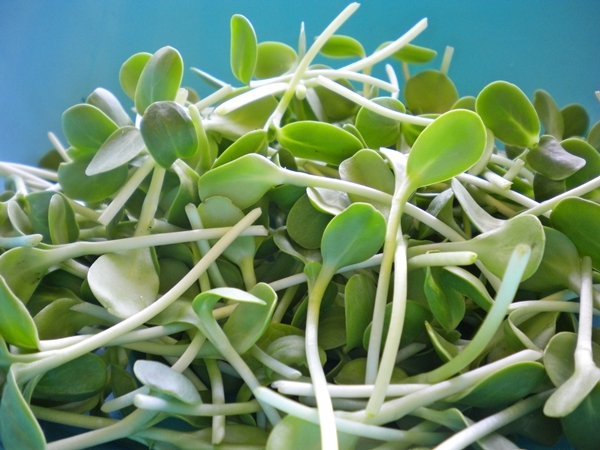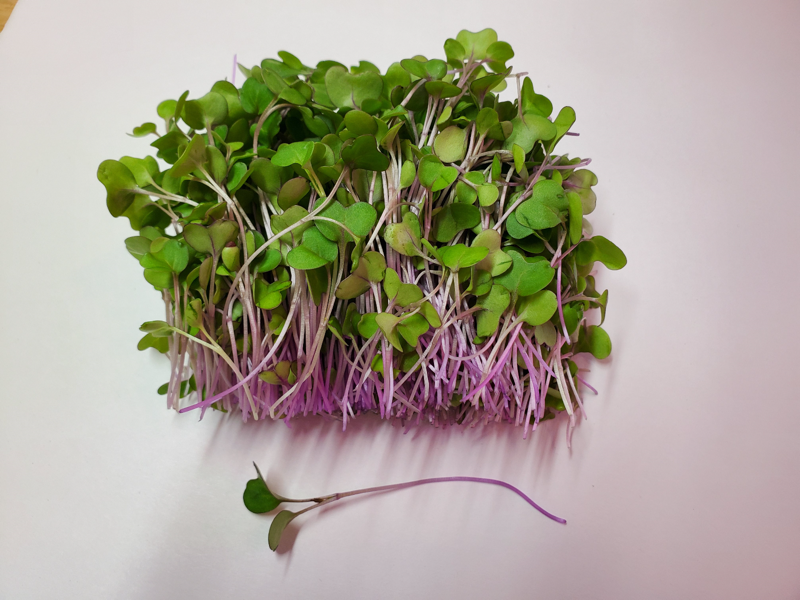
Most people assume that a vegetable is a vegetable — that a bunch of broccoli from a grocery store shelf is nutritionally equivalent to one just pulled from the ground. The science tells a very different story. What happens in the hours and days after harvest is one of the most underappreciated factors in nutrition, and it is central to why BayArea Micro operates on a same-day harvest model.
What Happens to Nutrients After Harvest?
The moment a plant is cut, it begins a process called post-harvest senescence — essentially, it starts dying. Cellular membranes break down, enzymes that were previously compartmentalized begin interacting with nutrients, and oxidation accelerates. The result is a measurable and rapid degradation of vitamins, antioxidants, and phytonutrients.
15–50%
Vitamin C lost within 24 hours at room temp
3–7 days
Typical transit time for grocery store produce
Vitamin C: The Fastest Casualty
Ascorbic acid (Vitamin C) is among the most sensitive nutrients to post-harvest degradation. Studies have shown that spinach stored at refrigerator temperatures can lose up to 90% of its Vitamin C within 7 days. Even at optimal cold-chain conditions, significant losses occur within the first 24–48 hours after cutting.
Sulforaphane and Glucosinolates
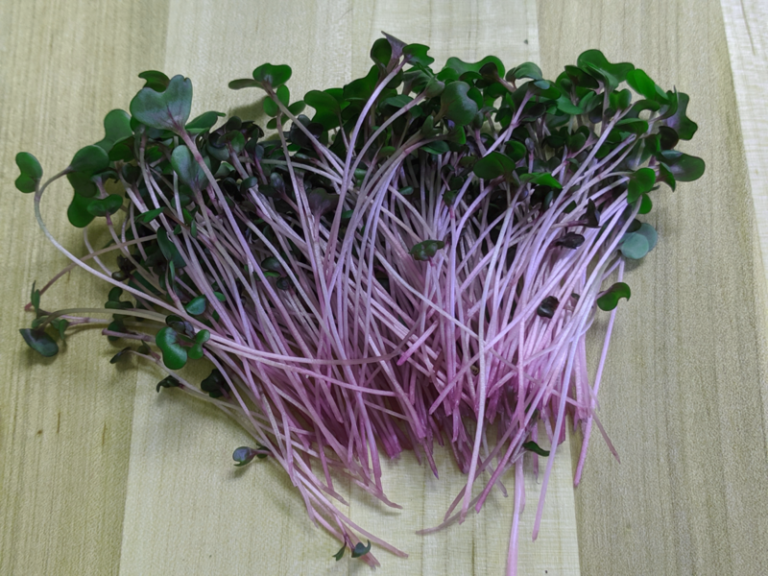
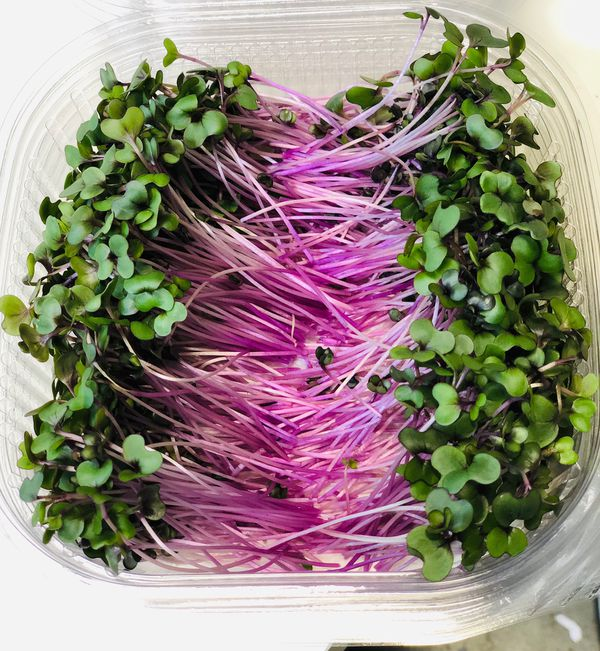
In broccoli microgreens, the precursor to sulforaphane — glucoraphanin — is converted by the enzyme myrosinase when plant cells are damaged (such as during chewing or cutting). However, when produce ages, both glucoraphanin levels and myrosinase activity decline. Eating freshly harvested broccoli microgreens maximizes the sulforaphane yield your body actually receives.
🧪 The Freshness Window
Research from the University of California, Davis postsucrose behavior in leafy greens suggests the optimal consumption window for maximum phytonutrient density is within 4–6 hours of harvest for certain volatile compounds. BayArea Micro targets delivery within that window on every order.
The Cold Chain Problem
The conventional produce supply chain involves harvesting, packing, pre-cooling, loading onto refrigerated trucks, distribution center sorting, re-loading, retail delivery, shelf stocking, and finally consumer purchase. Even under ideal refrigeration, this process takes a minimum of 3–5 days for local California produce and up to 2 weeks for items shipped from Mexico or Arizona.
How Same-Day Harvest Changes the Equation
By harvesting to order each morning and delivering the same day, BayArea Micro eliminates every link in that degradation chain except one — your kitchen. You receive greens at peak enzyme activity, peak antioxidant concentration, and peak flavor. The difference is not subtle: same-day microgreens have a brightness, crunch, and vitality that refrigerator-aged greens simply cannot match.
Enzyme Activity and Bioavailability
Beyond vitamins, living enzymes in fresh plant material play a role in digestion. Amylases, proteases, and lipases present in raw, fresh greens can assist in breaking down macronutrients when consumed. As produce ages, these enzymes either degrade or are deactivated. Eating fresh microgreens is, in a real sense, eating food that is still biochemically alive.
Hours
From harvest to your door with BayArea Micro
Days–Weeks
Typical grocery store produce age at purchase
The Bottom Line
Nutritional science is clear: freshness is not a marketing claim — it is a measurable, physiologically meaningful variable. When you choose same-day harvested microgreens from BayArea Micro, you are not paying for convenience. You are paying for the nutrition that slower supply chains systematically destroy before the food ever reaches your plate.