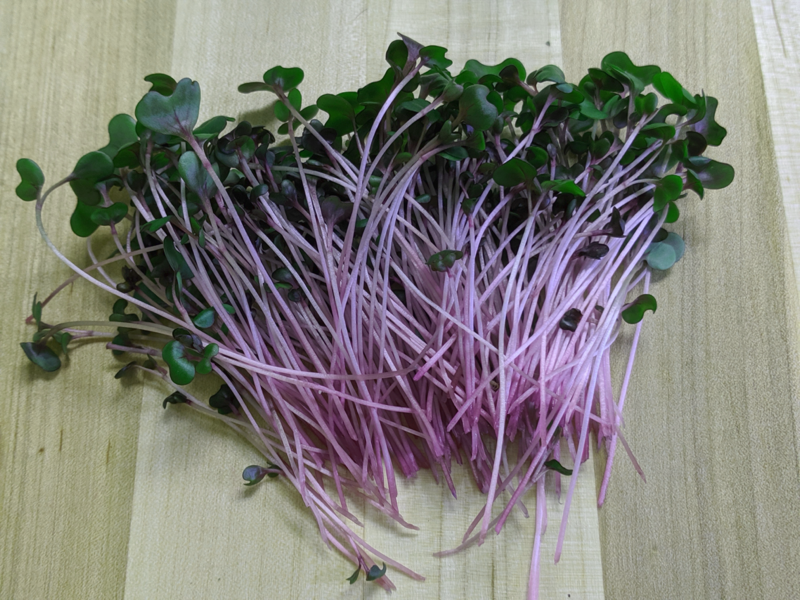
Walk through any urban farming expo or visit most commercial microgreen operations and you will find rows of LED grow lights humming overhead. Artificial lighting has become the default for indoor cultivation — and for good reason. But at BayArea Micro, we take a different approach, leveraging San Jose’s exceptional natural light conditions. Here’s why that choice matters, and what the science says about light quality and plant nutrition.
The Spectrum Question
Sunlight delivers the full electromagnetic spectrum — ultraviolet, visible, and infrared — in proportions that plants evolved alongside over hundreds of millions of years. Modern horticultural LEDs are impressive, but they produce a carefully curated subset of that spectrum, typically emphasizing red (660nm) and blue (450nm) wavelengths that drive chlorophyll absorption and photosynthesis.
What the Research Shows
A growing body of research suggests that UV-B radiation — present in natural sunlight but absent from most grow lights — plays a meaningful role in stimulating the production of protective phytochemicals in plants. Plants under UV stress produce more polyphenols, flavonoids, and anthocyanins as a defense response. These same compounds are the antioxidants humans benefit from when they eat those plants.
UV-B
Triggers protective antioxidant production in plants
300+
Annual sunny days in San Jose
🌞 San Jose’s Light Advantage
San Jose averages over 300 sunny days per year — more than Miami or Honolulu. This exceptional natural light availability makes it one of the best locations in the continental United States for sun-grown microgreens, and it is a core reason BayArea Micro is based here.
The Case for Grow Lights
Fairness requires acknowledging where artificial lighting genuinely excels. LED grow lights offer total control over photoperiod — you can run 16–18 hour light cycles regardless of season or weather. They enable fully indoor, climate-controlled operations that are immune to cold snaps, fog events, or air quality issues. For operations scaling to high commercial volumes in unpredictable climates, grow lights are often the right choice.
Energy and Environmental Cost
The environmental calculus is worth noting. A typical commercial indoor microgreen operation running LED lighting for 16 hours per day consumes significant electricity — often sourced from the grid with its associated carbon footprint. Sun-grown microgreens, by contrast, use zero energy for lighting. In a state like California with ambitious climate goals, this difference is not trivial.
Taste and Color Differences
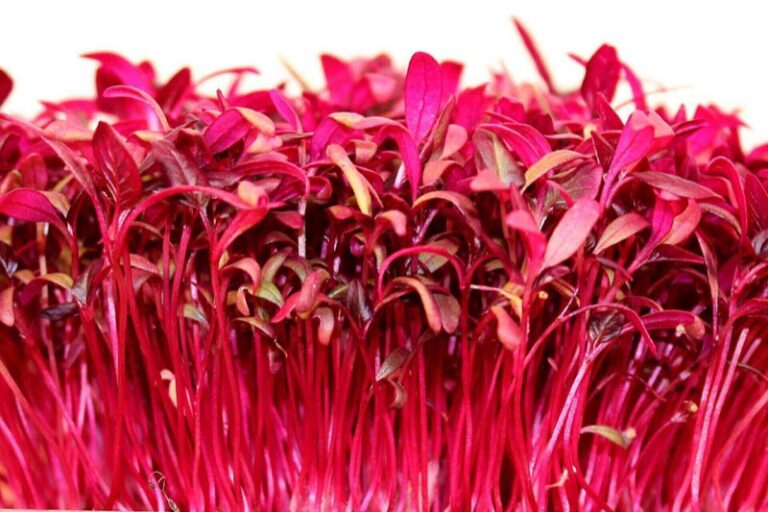
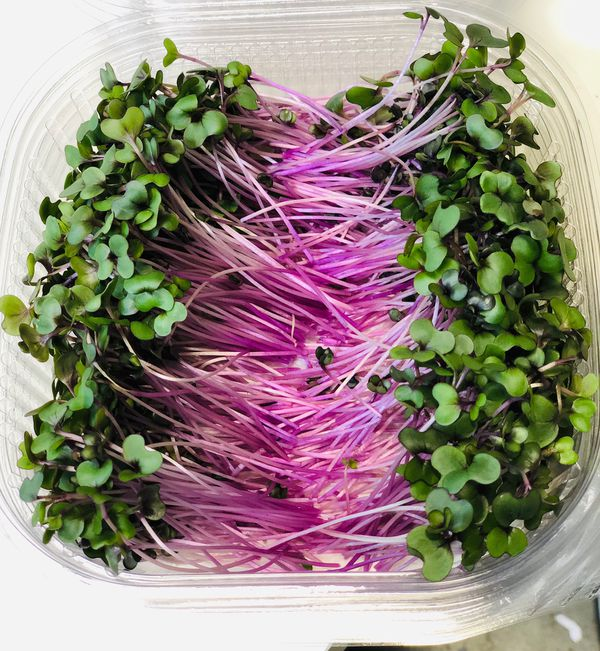
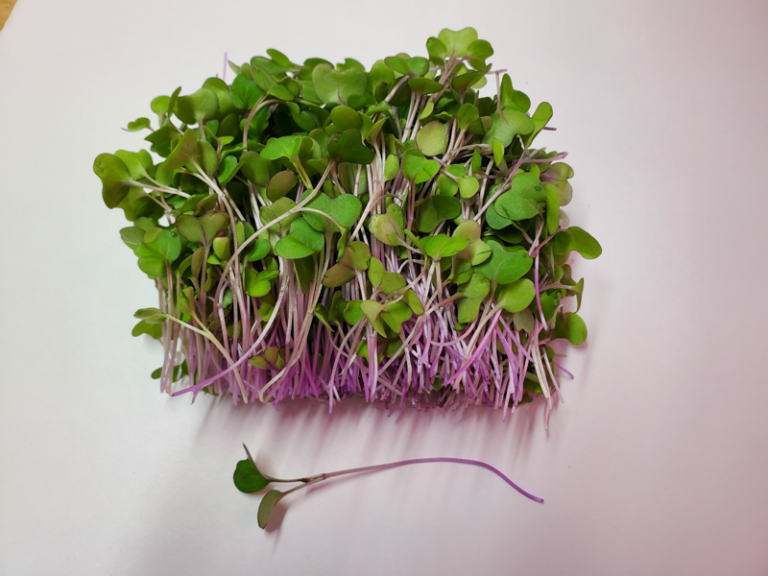
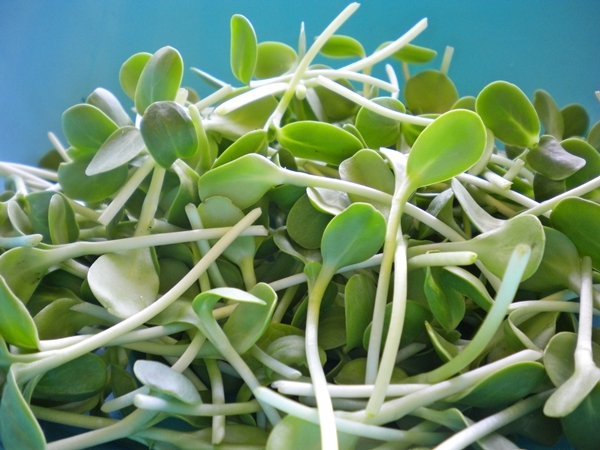
Growers and chefs who have compared sun-grown and LED-grown microgreens frequently report that sun-grown varieties exhibit more intense color — deeper reds in red cabbage, more vivid greens in sunflower shoots — and a more complex, robust flavor profile. The UV-induced stress response that produces more antioxidants may also be responsible for these sensory differences. Stress, in plant biology, often equals flavor.
Our Approach: Sunlight First
At BayArea Micro, our growing environment prioritizes natural sunlight, supplemented only when cloud cover or seasonal shifts require it. We believe that working with nature rather than replacing it produces a superior product. The same philosophy that led us to same-day delivery — minimizing the distance between the plant’s living state and your plate — guides our decision to grow in sunlight whenever possible.
🌿 The Whole-System View
Neither approach is universally superior — context matters. But for a Bay Area operation with San Jose’s unmatched sun exposure, abundant natural light, and a customer base that cares deeply about environmental impact, natural sunlight isn’t just a romantic choice. It is the scientifically and ecologically sound one.